
• About Us
  • Submit an Article
  • Write to the Editor
  • Contact Us
  • Questions & Answers
Amestri
  • Animals
  • Art
  • Entertainment
  • Food
  • Lifestyle
  • Nature
  • News
  • Science & Technology
  • Portfolio
  • Shop
  • Donate Us
No Result
View All Result
  • Animals
  • Art
  • Entertainment
  • Food
  • Lifestyle
  • Nature
  • News
  • Science & Technology
  • Portfolio
  • Shop
  • Donate Us
No Result
View All Result
Amestri
No Result
View All Result
Home Lifestyle

Mindfulness Meditation, The Practice of Being Present and Fully Aware of Sensations and Emotions

by Amestri
November 14, 2024
in Lifestyle
18 min read
0
0
Mindfulness
10
SHARES
158
VIEWS
Share on FacebookShare on PinterestShare on Reddit

Are you constantly preoccupied with the past or worried about the future? Do you find yourself caught up in negative thoughts and emotions, unable to enjoy the present moment? If so, you’re not alone. Many people experience high levels of stress and anxiety, which can lead to serious mental health issues such as schizophrenia. Practicing mindfulness meditation has been shown to be an effective way to reduce stress and anxiety, and improve overall mental wellbeing. In fact, we have previously published articles on the managing stress and even helping those with schizophrenia. We encourage you to check out these articles, as they can provide valuable insights and tips on how to incorporate mindfulness into your daily life.

By making mindfulness a part of your routine, you can learn to focus on the present moment and cultivate a sense of calm and inner peace. So take a moment to explore our previous articles on mindfulness and related topics, and start your journey towards better mental health today.

In recent years, mindfulness has become an increasingly popular practice for reducing stress, improving mental health, and enhancing overall well-being. In this comprehensive guide, we will explore what mindfulness are, its benefits, and how to incorporate mindfulness into your daily life.

#1. What is mindfulness?

A person meditating in nature


Mindfulness is the practice of paying attention to the present moment, without judgment or distraction. It involves becoming fully aware of your thoughts, emotions, bodily sensations, and surroundings, and accepting them as they are, without trying to change them.

Mindfulness can be practiced in many different ways, such as meditation, breathing exercises, and movement practices. It is a way of living in the present, rather than being caught up in regrets about the past or worries about the future.

#2. The science behind mindfulness

A person practicing mindfulness meditation at a desk


Research has shown that mindfulness can have numerous positive effects on physical and mental health. Studies have found that mindfulness can help reduce stress, anxiety, depression, and chronic pain, and improve sleep, mood, and overall well-being.

One reason why mindfulness can be so beneficial is that it helps activate the parasympathetic nervous system, which is responsible for the body’s rest-and-digest response. This can help counteract the effects of the sympathetic nervous system, which is responsible for the body’s fight-or-flight response.

#3. The benefits of mindfulness
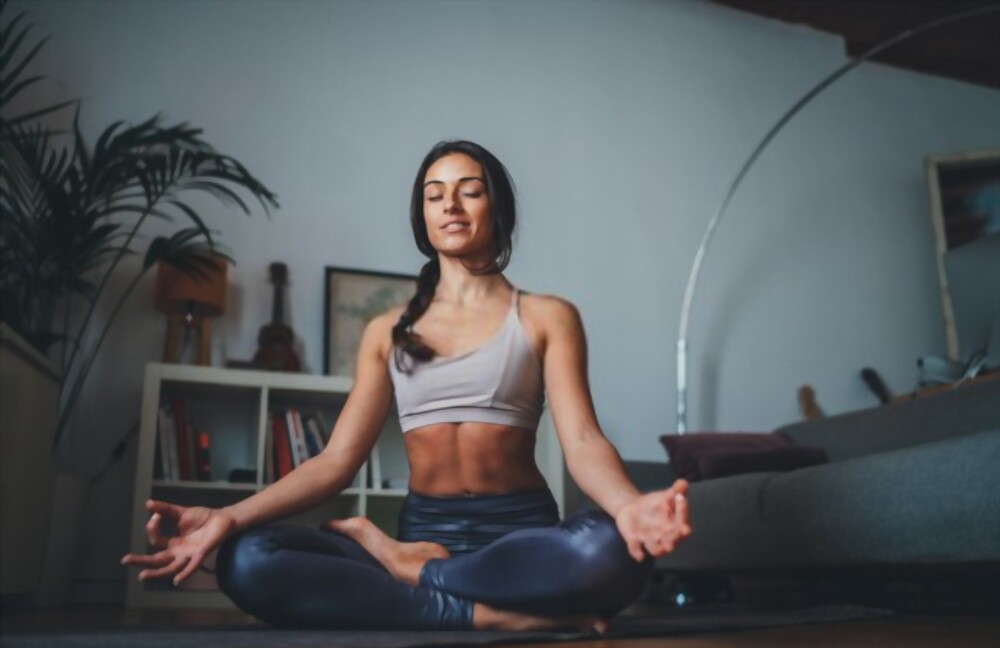
A woman meditating on a yoga mat


There are many benefits to practicing mindfulness, including:

3.1. Reducing stress and anxiety

Mindfulness can help reduce stress and anxiety by helping you become more aware of your thoughts and emotions and learning to observe them without judgment or reactivity.

3.2. Improving mental health

Studies have found that mindfulness can help improve symptoms of depression and anxiety, and enhance overall mental well-being.

3.3. Enhancing physical health

Mindfulness can help lower blood pressure, reduce chronic pain, improve immune function, and enhance overall physical well-being.

3.4. Improving cognitive function

Research has found that mindfulness can improve cognitive functions, such as memory, attention, and decision-making abilities.

3.5. Enhancing relationships

Mindfulness can help improve communication skills, enhance empathy and compassion, and promote greater intimacy and connection in relationships.

#4. How to practice mindfulness

Practice mindfulness


There are many different ways to practice mindfulness, and what works for one person may not work for another. Here are some popular mindfulness practices to consider:

4.1. Mindful breathing techniques

One of the simplest ways to practice mindfulness is to focus on your breath. You can do this by taking slow, deep breaths, and paying attention to the sensation of air flowing in and out of your body.

4.2. Mindful meditation practices

Meditation is a popular way to practice mindfulness, and there are many different types of meditation to choose from. Some common forms of meditation include focused attention meditation, open monitoring meditation

4.3. Mindful movement exercises

Mindful movement exercises, such as yoga, tai chi, or qigong, can help you become more aware of your body and improve your physical and mental well-being.

4.4. Mindful eating habits

Mindful eating involves paying close attention to the taste, smell, and texture of food, and noticing the physical sensations of hunger and fullness. This can help you develop a healthier relationship with food and avoid overeating.

4.5. Mindful communication techniques

Mindful communication involves becoming more aware of your own thoughts and emotions, and being attentive and present when communicating with others. This can help improve relationships and reduce conflicts.

4.6. Mindful listening exercises

Mindful listening involves paying close attention to what someone is saying, without interrupting or judging. This can help improve communication and build trust in relationships.

4.7. Mindful parenting strategies

Mindful parenting involves being fully present and attentive when interacting with your children and responding to their needs with empathy and compassion. This can help build stronger parent-child relationships and reduce parenting stress.

#5. Overcoming common obstacles to mindfulness

Obstacles to mindfulness


While mindfulness can be a powerful tool for reducing stress and improving overall well-being, it is not always easy to practice. Here are some common obstacles to mindfulness, and how to overcome them:

5.1. Busy schedules

One of the biggest obstacles to practicing mindfulness is finding the time to do it. To overcome this obstacle, try to set aside a specific time each day to practice mindfulness, even if it is only for a few minutes.

5.2. Negative thoughts and emotions

Negative thoughts and emotions can make it difficult to focus on the present moment. To overcome this obstacle, try to observe your thoughts and emotions without judgment, and bring your attention back to the present moment.

5.3. Distractions

Distractions, such as smartphones and social media, can make it difficult to stay focused on the present moment. To overcome this obstacle, try to limit your exposure to distractions, and practice mindfulness in a quiet, peaceful environment.

5.4. Lack of motivation

It can be difficult to stay motivated to practice mindfulness, especially if you do not see immediate results. To overcome this obstacle, try to set realistic goals for your mindfulness practice, and focus on the positive changes you have already experienced.

#6. Incorporating mindfulness into your daily routine

Daily routine


Incorporating mindfulness into your daily routine can help make it a habit and improve your overall well-being. Here are some tips for incorporating mindfulness into your daily routine:

6.1. Start small

Start by practicing mindfulness for just a few minutes each day, and gradually increase the amount of time you spend practicing.

6.2. Be consistent

Try to practice mindfulness at the same time each day, so that it becomes a regular part of your routine.

6.3. Find a quiet place

Practice mindfulness in a quiet, peaceful environment, where you will not be distracted by external stimuli.

6.4. Make it enjoyable

Find mindfulness practices that you enjoy, such as a particular type of meditation or movement exercise, so that it feels less like a chore and more like a pleasurable activity.

#7. Mindfulness resources and apps

A screenshot of the headspace app


There are many resources available for those who want to learn more about mindfulness and practice it regularly. Here are some popular mindfulness resources and apps:

7.1. Headspace

Headspace is a popular mindfulness app that provides guided meditations and mindfulness exercises for beginners and advanced practitioners alike.

7.2. Calm

Calm is another popular mindfulness app that offers guided meditations, breathing exercises, and sleep stories to help reduce stress and improve sleep.

7.3. Insight Timer

Insight Timer is a free meditation app that offers a variety of guided meditations and mindfulness exercises, as well as a timer for unguided meditation.

7.4. Mindful.org

Mindful.org is a website that offers articles, videos, and guided meditations on mindfulness and its benefits, as well as resources for teachers and parents.

7.5. The Mindful Way Workbook

The Mindful Way Workbook is a comprehensive guide to mindfulness that includes exercises and meditations to help reduce stress, improve mood, and increase self-awareness.

#8. Conclusion

The cover of The Mindful Way Workbook


In conclusion, mindfulness is a powerful tool for reducing stress, improving well-being, and enhancing the overall quality of life. By becoming more aware of the present moment and cultivating a non-judgmental attitude, we can learn to manage our thoughts and emotions more effectively and build stronger, more meaningful relationships with others. Whether you are new to mindfulness or an experienced practitioner, there are many resources available to help you incorporate mindfulness into your daily routine and experience its many benefits. So why not give it a try today? Start small, be consistent, and enjoy the journey toward greater self-awareness and inner peace.

Thank you for reading our article on mindfulness! We hope it has been informative and helpful in guiding you on your mindfulness meditation journey. If you found this article valuable, please consider sharing it with your friends and family who may benefit from learning about mindfulness. We also encourage you to leave a comment and share your thoughts or experiences with mindfulness.

If you’re interested in reading more articles related to life, simply click on the “life” tag on our website and explore our collection of thought-provoking pieces. We’re constantly updating our content, so be sure to check back often for new insights and perspectives. Thank you for your support and stay mindful!


FAQ on Mindfulness

  • 1. What it means to be mindfulness?

    To be mindful means to be fully present and engaged in the current moment, without judgment or distraction. It involves paying attention to your thoughts, feelings, and physical sensations with an open and accepting attitude. Mindfulness is a type of meditation that helps you develop a greater awareness of your inner and outer experiences, and cultivate a sense of calm and clarity in your daily life.

    Being mindful requires you to focus your attention on the present moment, rather than getting caught up in worries about the past or future. It involves tuning in to your senses and becoming more aware of your surroundings, without allowing your mind to wander or be distracted by external stimuli.

    Mindfulness can be practiced in a variety of ways, such as through meditation, yoga, or simply paying attention to your breathing or physical sensations throughout the day. By being mindful, you can learn to manage stress, reduce anxiety, and improve your overall mental wellbeing. It can also enhance your ability to connect with others and cultivate more meaningful relationships.

  • 2. What are the 7 principles of mindfulness?

    The Seven Principles of Mindfulness, also known as the Seven Attitudes of Mindfulness, are guiding principles that help cultivate a more mindful and present approach to life. These principles were developed by Jon Kabat-Zinn, the founder of Mindfulness-Based Stress Reduction (MBSR), and are widely used in mindfulness practices and programs. The seven principles are:

    1. Non-judging: This principle involves observing your thoughts, feelings, and experiences without judgment or criticism. Instead of labeling your experiences as good or bad, try to simply observe them with curiosity and openness.

    2. Patience: Mindfulness requires patience and the willingness to be present with whatever arises in the moment. Rather than trying to force or control your experiences, allow them to unfold naturally, with a sense of acceptance and patience.

    3. Beginner's Mind: Approach each moment with a sense of openness and curiosity, as if you were experiencing it for the first time. Let go of preconceptions and assumptions, and see things with fresh eyes.

    4. Trust: Trust your own experience and intuition, rather than always relying on external sources of information or guidance. Listen to your inner voice and trust that it will guide you in the right direction.

    5. Non-striving: Mindfulness is not about achieving a certain goal or outcome, but rather about simply being present in the moment. Let go of the need to achieve or accomplish, and simply be with whatever arises.

    6. Acceptance: Acceptance involves acknowledging and embracing your thoughts, feelings, and experiences, even if they are difficult or uncomfortable. Rather than trying to avoid or suppress them, accept them as they are and allow them to be present in your awareness.

    7. Letting go: Finally, letting go involves releasing attachments to your thoughts, feelings, and experiences, and allowing them to pass through your awareness without getting caught up in them. Letting go allows you to move on from difficult experiences and cultivate a sense of peace and equanimity.

  • 3. What are the 5 basics of mindfulness?
    1. Intention: Mindfulness begins with the intention to be present in the moment and to observe your thoughts, emotions, and sensations with curiosity and without judgment.

    2. Attention: Mindfulness involves directing your attention to your present experience, rather than getting caught up in the past or future.

    3. Awareness: Mindfulness involves cultivating awareness of your thoughts, emotions, and bodily sensations, without trying to change or control them.

    4. Acceptance: Mindfulness involves accepting your thoughts and emotions as they are, without judgment or resistance.

    5. Practice: Mindfulness is a skill that requires regular practice, whether through formal meditation or informal mindfulness exercises.

  • 4. How do I practice mindfulness?

    There are many ways to practice mindfulness, but here are some general steps you can follow:

    1. Find a quiet place where you won't be disturbed, and sit or lie down in a comfortable position.

    2. Take a few deep breaths, and then allow your breath to settle into its natural rhythm.

    3. Bring your attention to your breath, and focus on the sensation of the air moving in and out of your body.

    4. If your mind wanders, gently bring your attention back to your breath, without judging yourself or getting frustrated.

    5. Expand your awareness to include other bodily sensations, such as the feeling of your feet on the ground or the movement of your chest as you breathe.

    6. Notice any thoughts or emotions that arise, and observe them with curiosity and without judgment.

    7. If you find yourself getting caught up in your thoughts, gently bring your attention back to your breath or other bodily sensations.

    8. Practice for a few minutes at a time at first, gradually increasing the length of your practice as you become more comfortable with the process.

    Remember that mindfulness is a skill that requires practice and patience, so be kind to yourself and approach the practice with an open and curious mind.

  • 5. How do you develop mindfulness?

    Developing mindfulness is a gradual process that requires practice and patience. Here are some steps you can take to cultivate mindfulness in your daily life:

    1. Start by setting aside a few minutes each day to practice mindfulness meditation. You can use guided meditations or simply focus on your breath or other bodily sensations.

    2. Incorporate mindfulness into everyday activities, such as eating, walking, or doing chores. Pay attention to the sensations, sights, sounds, and smells around you, and try to stay present in the moment.

    3. Practice non-judgmental awareness of your thoughts and emotions. Instead of getting caught up in negative thoughts or feelings, observe them with curiosity and without judgment.

    4. Cultivate a sense of gratitude and appreciation for the present moment. Focus on the positive aspects of your life, and try to let go of negative thoughts and worries.

    5. Stay open and curious to the present moment, and approach each experience with a beginner's mind. Try to see things with fresh eyes, and avoid getting stuck in habitual patterns of thought and behavior.

    6. Surround yourself with supportive people and resources that can help you develop and maintain your mindfulness practice, such as mindfulness teachers, online courses, or meditation groups.

    Remember that developing mindfulness is a lifelong journey, and it's okay to experience setbacks or challenges along the way. With consistent practice and a compassionate attitude towards yourself, you can cultivate a greater sense of calm, clarity, and well-being in your daily life.

  • 6. How do I start mindfulness in life?

    Starting mindfulness in life can be a simple process that anyone can begin with. Here are some steps to get started:

    1. Start small: Begin with short mindfulness sessions, perhaps just a few minutes at a time, and gradually increase the duration as you become more comfortable.

    2. Pick a time and place: Choose a specific time and place for your mindfulness practice. This will help you establish a routine and create a peaceful environment for your practice.

    3. Focus on your breath: One of the simplest ways to begin practicing mindfulness is to focus on your breath. Pay attention to the sensation of the air entering and leaving your body.

    4. Stay in the present moment: Mindfulness is about being present in the moment, so try to avoid getting caught up in thoughts about the past or future.

    5. Be non-judgmental: When practicing mindfulness, it's important to be non-judgmental. Accept your thoughts and feelings without labeling them as good or bad.

    6. Practice regularly: Like any skill, mindfulness takes practice to develop. Make a commitment to practice regularly, even if it's just for a few minutes each day.

    7. Find a mindfulness community: Consider joining a mindfulness community or finding a mindfulness teacher to help guide you in your practice.

    Remember, mindfulness is a journey, not a destination. By starting small, staying present, and practicing regularly, you can begin to cultivate a more mindful approach to life.

  • 7. How do you do mindfulness for beginners?

    Here are some steps for beginners to start practicing mindfulness:

    1. Find a quiet and comfortable place: Look for a place where you can sit comfortably without any disturbance. You can sit on a cushion or a chair with your back straight and your feet flat on the ground.

    2. Focus on your breath: Close your eyes or gaze softly downward and focus on your breath. Pay attention to the sensation of your breath as it enters and leaves your body. You can also count your breaths to help you focus.

    3. Notice when your mind wanders: When you begin to notice your mind wandering, gently bring your attention back to your breath. It's natural for your mind to wander, but the key is to gently bring your focus back to the present moment.

    4. Observe your thoughts and emotions: As you practice mindfulness, you may become more aware of your thoughts and emotions. Observe them without judgment or criticism. Just observe them and let them pass.

    5. Practice regularly: Practice mindfulness for a few minutes every day. You can gradually increase the duration of your practice as you become more comfortable with it.

    Remember, mindfulness is not about achieving a specific state of mind, but rather about being present and aware in the present moment.

  • 8. What is the first step in practicing mindfulness?

    The first step in practicing mindfulness is to make a commitment to incorporating it into your daily life. This means setting aside time each day to practice, whether it's through formal meditation or simply bringing mindfulness to everyday activities. It's also important to approach mindfulness with an open and non-judgmental attitude, allowing yourself to observe and accept your thoughts and emotions without getting caught up in them. Finally, start with small steps and build up gradually, rather than trying to become an expert overnight.

  • 9. What are the 4 R's of mindfulness?

    The 4 R's of mindfulness are a helpful framework for bringing mindfulness to difficult or challenging experiences. They stand for:

    1. Recognize: The first step is to recognize and acknowledge what is happening in the present moment, whether it's a difficult emotion, physical discomfort, or an external situation.

    2. Refrain: Instead of immediately reacting or getting caught up in the experience, the next step is to refrain from judgment or reactivity. This means taking a step back and observing the experience without trying to change it or push it away.

    3. Respond: After observing and refraining from judgment, the next step is to respond to the experience in a skillful and intentional way. This might involve using mindfulness techniques to soothe or calm difficult emotions, or taking a practical action to address an external situation.

    4. Return: Finally, the fourth step is to return to the present moment and continue practicing mindfulness, using the experience as an opportunity for growth and learning.

  • 10. What are the benefits of mindfulness?

    There are numerous benefits associated with practicing mindfulness. Here are some of the key benefits:

    1. Reduces Stress and Anxiety: Mindfulness has been shown to reduce levels of stress and anxiety. When you practice mindfulness, you learn to observe your thoughts and emotions without judgment, which can help you better manage difficult situations.

    2. Improves Mental Health: Practicing mindfulness can improve mental health by reducing symptoms of depression and anxiety. It can also help individuals cope with mental health challenges such as trauma and addiction.

    3. Enhances Self-Awareness: Mindfulness can help you become more aware of your thoughts, feelings, and physical sensations. This self-awareness can help you make better choices and improve your relationships.

    4. Boosts Cognitive Function: Mindfulness has been shown to enhance cognitive function by improving attention, memory, and decision-making abilities.

    5. Promotes Emotional Regulation: Mindfulness can help you regulate your emotions by teaching you to observe and accept your emotions without judgment. This can help you manage difficult emotions and respond to situations in a more effective way.

    6. Improves Physical Health: Mindfulness has been shown to improve physical health by reducing symptoms associated with chronic pain, high blood pressure, and heart disease.

    7. Enhances Relationships: Practicing mindfulness can improve your relationships by helping you become more present and attentive in your interactions with others. It can also help you develop greater empathy and compassion for others.

    Overall, mindfulness can have a profound impact on your mental, emotional, and physical well-being, making it a valuable practice for anyone looking to improve their quality of life.

0 0 votes
Article Rating
Tags: Anxietymeditationmental healthmindfulnessmindfulness and focusmindfulness and happiness.mindfulness and productivitymindfulness and self-caremindfulness and wellbeingmindfulness benefitsmindfulness exercisesmindfulness for anxietymindfulness for beginnersmindfulness for mental healthmindfulness for stressmindfulness meditationmindfulness practicesmindfulness techniquesmindfulness tipsStress
Previous Post

Schizophrenia Is a Serious Mental Illness that Affects How a Person Thinks, Feels, and Behaves

Next Post

Mother’s Day, The Celebration of the Unconditional Love of Mothers

Related Posts

When an Insect Enters Your Ear
Lifestyle

What to Do (and Not to Do) When an Insect Enters Your Ear

October 22, 2025
Illustrated grid of three different female face shapes—oval, square, round, and oblong—on a background.
Lifestyle

What Is My Face Shape? Discover the 7 Face Shapes and Why They Matter More Than You Think

May 13, 2025
Human Metapneumovirus (hMPV)
Lifestyle

What Is Human Metapneumovirus (hMPV)? Everything You Need to Know About This Sneaky Respiratory Virus

January 3, 2025
ECalendar 2025
Lifestyle

Download Free ECalendar For 2025

December 18, 2024
My Financial Life
Lifestyle

Personal Finance Tips, How I Turned My Financial Life Around with These 5 Smart Money Habits

December 18, 2024
The Little Things That Made My Busy Life Easier
Lifestyle

The Little Things That Made My Busy Life Easier

April 23, 2025
Next Post
Two children giving their mother affectionate kisses on Mother's Day

Mother's Day, The Celebration of the Unconditional Love of Mothers

Subscribe
Notify of
0 Comments
Oldest
Newest Most Voted

Stay Connected test

  • 134 Followers
  • 207k Subscribers
  • 24k Followers
  • 99 Subscribers
  • Trending
  • Comments
  • Latest
Daria Lefler

Meet Gorgeous Daria Lefler, Who Like An Angel Came From Heavens To Give Birth To The Art Of Photography

January 4, 2022
Yusra Mardini

The Heart Touching Story of The Gorgeous Yusra Who Went To The Olympics As A Refugee

September 16, 2021
30+ Outstanding Illustrations That Disclose Everything Wrong With Today’s Life

30+ Outstanding Illustrations That Disclose Everything Wrong With Today’s Life

January 27, 2021
Foxes

Amazing Creativity Of An Artist Who Made Tiny Animals From Wool

April 23, 2025
Red Crabs

Millions of Red Crabs Like Making a Large Red Carpet

2
top-1807467_1920

Here Are Some Details About The Beautiful Female Backs That Men Are Looking Eagerly…

0
Sleeping position of couples

What’s The Perfect Way To Sleep With Your Partner…?

0
NEWS Threatening factors that can face to living beings in next 50 to 60 years

Threatening Factors That Can Face Living Beings In Next 50 To 60 Years

0
Bearded Vulture

The Bearded Vulture: The Bird That Eats Bones

February 17, 2026
Box Crab full image

The Smooth Box Crab: Nature’s Perfect Defense System

February 8, 2026
Rainbow Mudskipper

The Rainbow Mudskipper: The Fish That Refused to Stay in the Water

January 25, 2026
Greater prairie-chicken

The Greater Prairie-Chicken: The Bird That Turns Itself Into a Living Speaker

January 10, 2026

Recent News

Bearded Vulture

The Bearded Vulture: The Bird That Eats Bones

February 17, 2026
Box Crab full image

The Smooth Box Crab: Nature’s Perfect Defense System

February 8, 2026
Rainbow Mudskipper

The Rainbow Mudskipper: The Fish That Refused to Stay in the Water

January 25, 2026
Greater prairie-chicken

The Greater Prairie-Chicken: The Bird That Turns Itself Into a Living Speaker

January 10, 2026

Welcome to amestri, your number one professional website for all contents. We’re dedicated to giving you the very best of it, with a focus on burning desires of readers.

Follow Us

Browse by Category

  • Animals
  • Art
  • Entertainment
  • Food
  • Lifestyle
  • Nature
  • News
  • Science & Technology

Recent News

Bearded Vulture

The Bearded Vulture: The Bird That Eats Bones

February 17, 2026
Box Crab full image

The Smooth Box Crab: Nature’s Perfect Defense System

February 8, 2026
  • Home
  • Submit an Article
  • Privacy Policy
  • Medical Disclaimer
  • DMCA Removal
  • Contact Us
  • Sitemap
  • Questions & Answers
  • Return and Refund Policy
  • Business Terms

© 2025 amestri.com

No Result
View All Result
  • Animals
  • Art
  • Entertainment
  • Food
  • Lifestyle
  • Nature
  • News
  • Science & Technology
  • Portfolio
  • Shop
  • Donate Us

© 2025 amestri.com

Login to your account below

Forgotten Password?

Fill the forms bellow to register

All fields are required. Log In

Retrieve your password

Please enter your username or email address to reset your password.

Log In
wpDiscuz
0
0
Would love your thoughts, please comment.x
()
x
| Reply