Life has a funny way of teaching us lessons, doesn’t it? A few years ago, I found myself staring at my bank account, wondering where all my money had gone. I wasn’t reckless with spending, but somehow, I was always broke before the month ended. One day, over coffee, a friend casually said, “You should start thinking of your money like it’s your little employee, you tell it where to go, and it works for you.” That stuck with me.
Since then, I’ve adopted a few habits that changed everything. And trust me, they’re not rocket science, just small, practical changes that made a big difference in my life. Here are the five things I did to take control of my finances, along with some handy tools that helped me along the way.
#1. I Started Tracking Every Single Penny

This one sounds boring, but hear me out, it’s a game-changer. I used to think budgeting was only for people with loads of money or crazy expenses, but the truth is, it’s for everyone.
One day, I downloaded a simple expense tracker app, and wow, was I shocked. Did I really spend $200 on coffee last month? That’s like 40 cups! From then on, I made it a habit to note down everything I spent whether it was $5 for a quick snack or $100 for a new gadget. I found that having a budget planner notebook was super useful for tracking goals manually. If you’re looking for something affordable, this budget planner is a fantastic choice. You can also get a digital calculator for your workspace, which makes it easier to calculate savings and expenses.
#2. I Opened a High-Yield Savings Account

Let me tell you, this was one of the smartest things I did. I’d been keeping my money in a regular savings account that barely gave me any interest. A friend told me about high-yield savings accounts, and I decided to give it a shot.
Now, my money earns more just by sitting there! It’s like free money. Plus, having a separate account for savings makes it harder to dip into it for impulsive purchases. If you want to make saving a bit more fun? Consider a digital piggy bank like this one. It counts your coins and motivates you to keep going, it’s perfect for beginners or even kids learning to save.
#3. I Learned to Invest (Even If It Was Scary at First)

Okay, investing intimidated me. Stocks? Bonds? ETFs? It all sounded like jargon. But I realized I was missing out on the chance to grow my money. So, I started small, like $50 a month.
At first, I used a robo-advisor app. It’s super cool because it does the heavy lifting for you. Over time, as I learned more, I got comfortable investing in ETFs and even a couple of individual stocks.
If you’re planning to start learning about stocks or working online while monitoring investments, this portable power bank can keep your devices charged, no matter where you are. It’s a lifesaver during long hours of research!
#4. I Created an Emergency Fund
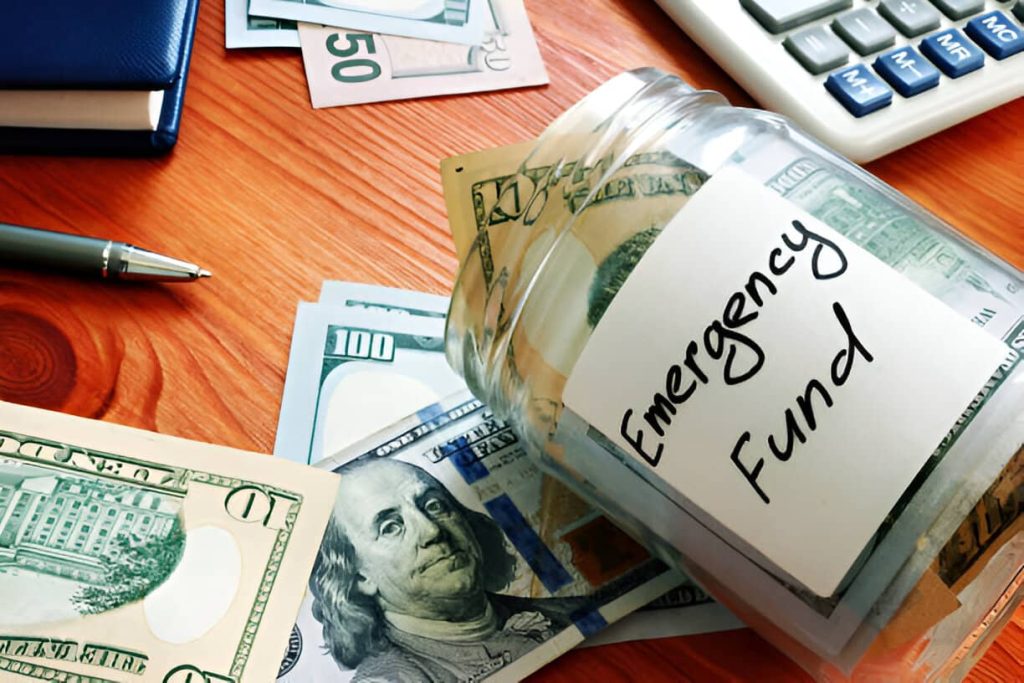
One of the best decisions I ever made was setting up an emergency fund. A couple of years ago, my car broke down unexpectedly, and I had to scramble to cover the repair costs. That was my wake-up call.
Now, I’ve got a separate account where I stash away three to six months’ worth of expenses. It’s my safety net, and honestly, it gives me so much peace of mind.
Pro Tip:
If you want to make saving easier and more organized, this cash wallet (for men and women) is a brilliant tool. It keeps your funds categorized for specific purposes like emergencies, bills, and groceries.
#5. I Switched to Cash-Back Credit Cards
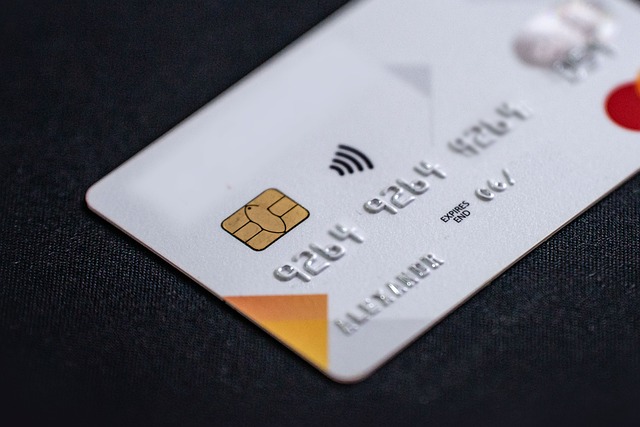
Let’s talk about credit cards. I used to think they were a trap, something that would bury me in debt. But once I learned to use them responsibly, they became one of my favorite tools.
I switched to a cash-back credit card, and now I earn money just by spending on things I need anyway, like groceries and gas. The trick is to pay off the full balance every month so you don’t get hit with interest charges.
Bonus Tip:
To get the most out of your rewards, shop for deals online using your cash-back card. Gadgets like this mini cardholder are perfect for keeping all your cards organized.
Finally
Taking control of your finances doesn’t have to be overwhelming. These five habits, tracking expenses, opening a high-yield savings account, starting to invest, building an emergency fund, and using a cash-back credit card, are super simple but incredibly effective. I hope you will get some from these personal finance tips.
If I can turn my financial life around, so can you. Start small, stick with it, and watch how these changes add up over time. Trust me, your future self will thank you!
Affiliate Disclaimer:
This article contains affiliate links, meaning I earn a small commission at no extra cost to you if you purchase through these links. Every product I recommend is something I believe in and personally use!
Read more articles,
The Little Things That Made My Busy Life Easier
Celebrating International Men’s Day 2024 & Why It Matters
How I Solved My Password Chaos with a Simple Google Sheet (And You Can Too!)