Type your question and get the answer
- 1. What is the black mamba? What are its behaviors and habitat?
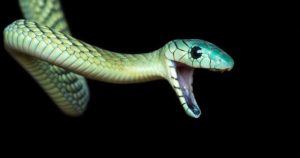
Introduction: The black mamba is a highly venomous snake that is native to sub-Saharan Africa. This species is known for its striking appearance and deadly reputation, making it one of the most feared snakes in the world. In this article, we will explore the behavior and habitat of the black mamba.
Appearance and Characteristics: The black mamba has a long, slender body that can reach up to 14 feet in length. Its skin is typically a glossy black or dark brown color, and its mouth is lined with sharp fangs that can inject a potent neurotoxin into its prey. The black mamba is one of the fastest and most agile snakes in the world, capable of reaching speeds of up to 12 miles per hour.
Habitat: The black mamba is a versatile species that can be found in a variety of habitats throughout sub-Saharan Africa, including savannas, forests, and rocky hillsides. They prefer areas with dense vegetation, such as tall grasses and shrubs, where they can hunt for prey and find shelter from predators.
Behavior: The black mamba is an expert hunter, feeding primarily on small mammals, birds, and reptiles. It is a solitary species and is typically active during the day. The black mamba is known for its quick movements and aggressive behavior when threatened. Despite its fearsome reputation, the black mamba is typically shy and will only attack humans if provoked or cornered.
Threats: The black mamba is threatened by habitat loss and fragmentation, as well as the illegal pet trade and hunting for its skin and meat. The black mamba is also considered a danger to humans, and human-wildlife conflict can lead to the killing of this species.
Conclusion: The black mamba is a fascinating and deadly species that is well adapted to its African habitat. While it is important to exercise caution around this snake, it is also important to appreciate its role in the ecosystem as a top predator. Conservation efforts are needed to protect this species and ensure its survival for future generations.
- 2. Do large sharks like great whites ever stop swimming?

Introduction: Large sharks, such as the great white, are often portrayed as always being in constant motion. But is this actually true? In this article, we will explore the behavior of large sharks and whether they ever stop swimming.
Breathing Mechanisms: Sharks are unique in their breathing mechanisms, as they use a process called ram ventilation. This means that sharks must constantly swim with their mouths open to allow water to flow over their gills, where oxygen is extracted and carbon dioxide is released. However, this is not true for all species of sharks.
Resting and Sleeping: While some sharks, such as the great white, need to swim continuously to ensure proper oxygenation, other species are able to rest on the ocean floor or in a current while still allowing water to flow over their gills. Some sharks even have the ability to rest on the bottom and pump water over their gills using a special set of muscles.
Overall Behavior: The behavior of sharks is complex and varies depending on their species and individual needs. For example, some sharks may exhibit a more active lifestyle than others, swimming long distances in search of food or mates, while others may stay in one area for an extended period of time.
Conclusion: In conclusion, while some species of sharks like great whites need to continuously swim to breathe, others are capable of resting on the ocean floor or in a current while still allowing water to flow over their gills. It’s important to remember that the behavior of sharks is diverse and complex, and further research is needed to fully understand their unique adaptations and lifestyles.
- 3. Do kittens ever get to play with another kitten?

Absolutely! Kittens are social animals that enjoy playing with other kittens. In this response, we'll explore the benefits of kittens playing with each other, how they interact, and what owners should keep in mind when introducing their kitten to another feline friend.
The Benefits of Kittens Playing with Each Other
Playing with another kitten provides a range of benefits for young cats. It can help them develop their social skills, learn how to communicate and establish boundaries, and expend some of their boundless energy. Kittens that play with other kittens are also less likely to develop behavior problems such as aggression or destructive chewing.
How Kittens Interact with Each Other
When two kittens play together, they engage in a variety of behaviors that are essential for their development. They may chase each other, wrestle, or pounce on each other. While these behaviors may look rough to humans, they are a normal part of kitten play and help young cats learn how to interact with others of their own species.
Introducing Your Kitten to Another Feline Friend
If you're considering getting another kitten to keep your furry friend company, there are a few things to keep in mind. First, it's important to introduce the two cats slowly and gradually to avoid overwhelming or frightening either animal. You should also make sure that each cat has their own food and water bowls, litter boxes, and sleeping areas to avoid conflicts. Finally, it's important to supervise their interactions to ensure that they are playing nicely and not getting too rough.
Conclusion
In short, kittens absolutely love playing with other kittens! Playing with other cats helps them develop important social skills, expend energy, and have fun. If you're considering getting another kitten, be sure to introduce them gradually and supervise their interactions to ensure a happy and healthy friendship.
- 4. Do Koala bears have any other names?

Certainly! Koala bears, also known as simply "koalas," have a few other names that they go by. In this response, we'll explore what those names are, where they come from, and why koalas are sometimes called by different names.
What Are Koalas Called?
While "koala" is the most commonly used name for this iconic Australian marsupial, they are also known by a few other names. Some of these include:
Koala bear: Despite the name, koalas are not actually bears! The name "koala bear" likely comes from their cuddly appearance and the fact that they share some physical characteristics with bears, such as round ears and a fuzzy coat.
Native bear: Another common name for koalas is "native bear," which refers to the fact that they are a native species to Australia.
Tree bear: Koalas spend most of their time in trees, and their sharp claws and strong grip make them well adapted to life in the treetops. This has led to them being called "tree bears" in some contexts.
Why Are Koalas Called Different Names?
The various names for koalas reflect different aspects of their appearance, behavior, and natural history. While "koala" is the most commonly used name for the species, the other names they go by are a testament to the unique and interesting nature of these animals.
Conclusion
In short, while "koala" is the most commonly used name for this beloved marsupial, they are also known by a few other names, such as "koala bear," "native bear," and "tree bear." These names reflect different aspects of their appearance, behavior, and natural history, and add to the unique charm of these fascinating animals.
- 5. Do all animals have lungs?
Certainly! Not all animals have lungs! While lungs are an important respiratory organ for many animals, there are some species that have evolved alternative methods for obtaining oxygen. In this response, we'll explore which animals have lungs, which don't, and some of the unique adaptations that animals have evolved to survive without them.
Animals That Have Lungs
Lungs are most commonly found in vertebrate animals, such as mammals, birds, reptiles, and some fish. These animals use their lungs to take in oxygen from the air, which is then transported throughout their body to support their cellular processes.
Animals That Don't Have Lungs
Invertebrate animals, such as insects, spiders, and mollusks, do not have lungs. Instead, they rely on a network of internal tubes or spiracles to exchange gases with their environment. For example, insects have tiny openings along their body called spiracles, which allow air to enter and exit a system of tubes called tracheae that transport oxygen to their cells.
Unique Adaptations for Obtaining Oxygen
Some animals have evolved unique adaptations to obtain oxygen without the use of lungs or spiracles. For example, some fish, such as catfish and lungfish, have developed specialized organs that allow them to extract oxygen directly from the water. Similarly, certain species of sea turtles and other reptiles can extract oxygen through their skin or the lining of their mouth.
Conclusion
In short, not all animals have lungs! While lungs are an important respiratory organ for many vertebrates, invertebrates and certain aquatic species have evolved alternative methods for obtaining oxygen. These adaptations have allowed animals to survive and thrive in a wide range of environments, demonstrating the incredible diversity and complexity of the natural world.
- 6. What are the similarities between a polar bear and white tiger?
Despite coming from different parts of the world, polar bears and white tigers share some similarities in their physical characteristics and behaviors. Here are some of the similarities between the two majestic creatures.
Physical Similarities
Both polar bears and white tigers have striking white fur that helps them blend into their snowy environments. They are both carnivorous and have sharp teeth and claws for hunting prey. In terms of size, polar bears are typically larger, with males weighing up to 1500 pounds, while white tigers weigh around 400-600 pounds.
Habitat and Behavior
Polar bears and white tigers also share some similarities in their habitat and behavior. Both are solitary animals and prefer to hunt alone. They are also adapted to living in cold environments, with polar bears living in the Arctic and white tigers in snowy regions of Asia. In their natural habitats, both animals face threats such as habitat loss, climate change, and poaching.
Differences
Despite their similarities, polar bears and white tigers are still quite different from one another. Polar bears are excellent swimmers, whereas white tigers are not adapted to aquatic environments. Polar bears also have a layer of blubber to help them stay warm in cold temperatures, while white tigers rely on their thick fur for insulation.
Conclusion
While polar bears and white tigers share some similarities, they are distinct species with their own unique characteristics and adaptations. It is important to appreciate and respect the differences between these animals and all other species in the natural world.
- 7. How should one pet a wolf?

It is important to note that wolves are wild animals and should not be treated like domesticated pets. However, if you find yourself in a situation where you need to interact with a wolf, there are several things you should keep in mind when approaching and petting them.
Approaching a Wolf
When approaching a wolf, it is important to do so slowly and calmly. Avoid sudden movements or loud noises that may startle them. Wolves are highly territorial animals and may perceive you as a threat if you approach too quickly or aggressively.
Petting a Wolf
Petting a wolf should only be done if you have been properly trained and have experience handling wild animals. If you are unsure, it is best to avoid attempting to pet a wolf altogether.
If you do choose to pet a wolf, it is important to approach them from the side or back, as this is less threatening than approaching them head-on. Start by offering your hand for them to sniff, and if they seem comfortable, you can begin to stroke their fur gently.
It is important to note that even if a wolf seems friendly and approachable, they are still wild animals and should be treated with caution and respect at all times.
Conclusion
In conclusion, while it is not recommended to attempt to pet a wolf unless you are trained and experienced, if you do find yourself in a situation where you need to interact with a wolf, it is important to do so slowly and calmly, approach them from the side or back, and offer your hand for them to sniff before attempting to pet them.
- 8. How do Komodo dragons survive without water?

Komodo dragons are fascinating creatures that have adapted to survive in harsh and arid environments. Here is a detailed explanation of how they manage to thrive without water.
I. Introduction
Komodo dragons are the largest living lizards in the world and are native to the Indonesian islands. They have a unique set of adaptations that allow them to survive in hot and dry environments.
II. Water conservation
Komodo dragons are efficient at conserving water. They have a low metabolic rate and can go for months without drinking water. They also have a special gland in their lower intestine that extracts moisture from their food, helping them to stay hydrated.
III. Hunting tactics
Komodo dragons are carnivorous and hunt a variety of prey, including deer, pigs, and water buffalo. They use their powerful jaws to deliver a lethal bite, and their saliva contains bacteria that can cause a slow and painful death to their prey. Once the prey is dead, the Komodo dragon can feed on it for several days, obtaining the moisture it needs from the prey's body fluids.
IV. Burrowing behavior
Komodo dragons have been observed digging burrows to escape the heat of the day and to maintain their body temperature. The burrows can also provide a source of moisture, as the dragons can dig into the ground to reach damp soil.
V. Salt excretion
Komodo dragons have a specialized gland in their nostrils that excretes excess salt from their bodies. This adaptation helps them to maintain the proper balance of electrolytes in their system, even in the absence of regular water intake.
VI. Conclusion
In conclusion, Komodo dragons have a unique set of adaptations that allow them to survive in arid environments without regular access to water. Their ability to conserve water, hunt efficiently, burrow, and excrete excess salt enables them to thrive in their natural habitat.
- 9. What will be the impact of global warming on animal extinction?
Global warming is already having significant impacts on animal species around the world, and many are facing the threat of extinction as a result. As temperatures continue to rise and weather patterns become more extreme, animal populations are being disrupted and habitats are changing, making it more difficult for many species to survive.
Here are some ways that global warming can impact animal extinction:
Habitat loss: As temperatures rise, habitats that animals rely on for food, shelter, and breeding may become uninhabitable. This can lead to declines in population, and in some cases, complete extinction of a species.
Changing weather patterns: Extreme weather events, such as droughts, floods, and heatwaves, can have a devastating impact on animal populations, particularly if they occur during breeding or migration periods.
Ocean acidification: Rising CO2 levels in the atmosphere are causing the oceans to become more acidic, which can have a significant impact on marine animals, particularly those that rely on calcium carbonate to build shells or skeletons.
Migration patterns: Some animal species may be forced to migrate to new areas as their current habitats become unsuitable due to changing weather patterns. However, this can lead to competition for resources with other species, and may also expose animals to new predators or diseases.
Overall, the impact of global warming on animal extinction is significant and concerning. It's important that we take steps to reduce greenhouse gas emissions and mitigate the effects of climate change in order to protect these vulnerable species and their habitats.
- 10. What do Monarch butterflies prefer when laying their eggs: milkweed or other plants?
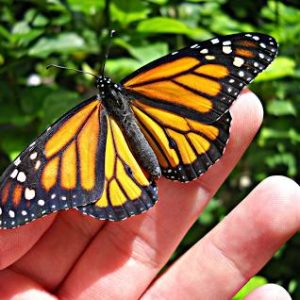
Monarch butterflies are one of the most fascinating creatures to observe, and understanding their preferences when laying eggs can help us protect their population. In this article, we will explore what Monarch butterflies prefer when laying their eggs and how this can impact their survival.
What are Monarch butterflies?
Monarch butterflies are famous for their striking orange and black patterned wings. They are also known for their incredible long-distance migration, with some traveling up to 2,500 miles each year. Monarch butterflies are found throughout North America and are essential pollinators for many plant species.
Do Monarch butterflies prefer milkweed or other plants?
Monarch butterflies have a very specific preference when it comes to laying their eggs. They prefer to lay their eggs on milkweed plants, which are the only plants that Monarch caterpillars can eat. Milkweed contains toxic compounds that are harmless to Monarch caterpillars but make them unpalatable to predators.
While Monarch butterflies may lay their eggs on other plants if milkweed is unavailable, these eggs are unlikely to survive as the caterpillars will not have access to the food they need to survive. This is why it's crucial to have milkweed plants available in areas where Monarch butterflies are known to inhabit.
Why is the preference for milkweed important for Monarch butterflies?
Milkweed is crucial for the survival of Monarch butterflies. Without milkweed, the caterpillars would not be able to feed, grow, and transform into butterflies. Milkweed is also important for the adult butterflies, as it provides a source of nectar for them to feed on.
Unfortunately, milkweed plants are becoming increasingly scarce due to habitat loss, herbicide use, and other factors. This has had a significant impact on the Monarch butterfly population, which has declined by over 80% in the past two decades.
Conclusion
In conclusion, Monarch butterflies have a strong preference for laying their eggs on milkweed plants. This preference is essential for the survival of Monarch caterpillars and adult butterflies, and it underscores the importance of protecting milkweed habitats. By understanding the needs of Monarch butterflies, we can take steps to ensure their survival and protect these beautiful creatures for future generations.
- 11. How does air pollution affect animals and plants?
Air pollution has a significant impact on the natural world, affecting both plants and animals. Here's a detailed explanation of how air pollution impacts the environment.
I. Introduction
Air pollution is a major issue that can have severe impacts on both the environment and human health. It is caused by a range of factors, including industrial processes, transportation, and burning of fossil fuels.
II. Effects on animals
Air pollution can have a range of negative impacts on animals, including respiratory issues, decreased immunity, and changes in behavior. Birds, fish, and small mammals are particularly vulnerable to pollution, as they have a higher surface area to volume ratio and can absorb toxins more readily.
III. Effects on plants
Air pollution can damage plant tissues, reduce photosynthesis, and decrease crop yields. It can also cause changes in plant morphology, such as stunted growth and altered leaf structure. Polluted air can also lead to the acidification of soil, which can have further negative impacts on plant health.
IV. Effects on ecosystems
Air pollution can disrupt ecosystems by changing the balance of species and altering the availability of resources. It can also contribute to climate change, which has far-reaching impacts on the environment.
V. Conclusion
In conclusion, air pollution is a significant issue that affects both plants and animals. It has a range of negative impacts on the environment, including respiratory issues in animals, damage to plant tissues, and disruption of ecosystems. It's essential to take steps to reduce air pollution, such as reducing emissions from industrial processes and transportation and increasing the use of clean energy sources. By doing so, we can help protect the natural world and ensure the health and well-being of all living creatures.
- 12. Do eagles use their nests when there are no eggs/eaglets?
Yes, eagles may use their nests when there are no eggs or eaglets present. Eagles often build large, sturdy nests in high places such as tall trees or cliffs, which they use as their home base throughout the year.
Even when there are no eggs or eaglets present, eagles may continue to use and maintain their nests as a safe and secure place to roost and rest. In fact, eagles often return to the same nest year after year, adding new materials to the nest and repairing any damage to ensure it remains structurally sound.
Eagles may also use their nests for courtship displays, such as bringing food to the nest to share with their mate or performing aerial displays around the nest site.
It's worth noting that in some cases, eagles may abandon their nests if they are disturbed or feel threatened by human activity or other predators in the area. Therefore, it's important to be respectful of eagle nests and avoid disturbing them, particularly during nesting season.
- 13. What type of animals are always male and never female, and vice versa?
There are several species in which individuals are predominantly or exclusively male or female. Here are some examples:
Honeybees: Worker bees are always female, while drones are always male.
Komodo dragons: This species of lizard reproduces via parthenogenesis, which means that all individuals are female and reproduce without fertilization from males. However, male Komodo dragons do exist in this species, but they are rare.
Whiptail lizards: Most species of whiptail lizards are all-female and reproduce via parthenogenesis. Males are rare, and their only role in reproduction is to contribute genetic diversity through hybridization with other species.
Seahorses: Male seahorses carry and give birth to their offspring, while females deposit their eggs in the male's brood pouch.
Some species of fish: Some fish species, such as the goby fish, have males that take on a female-like appearance and behavior in order to attract mates, while the actual females look and behave differently.
It's worth noting that while these species have distinct male and female characteristics, there are many other species in which individuals may exhibit a range of biological sex characteristics, such as hermaphroditism, where an individual may have both male and female reproductive organs, or sequential hermaphroditism, where an individual may change sex during their lifetime.
- 14. Do cave dwelling animals need vitamin D?
Cave-dwelling animals generally do not require vitamin D, as they are not exposed to sunlight. Vitamin D is primarily synthesized in the skin of animals (including humans) when it is exposed to ultraviolet (UV) radiation from the sun. However, many cave-dwelling animals, such as bats and blind cavefish, have adapted to living in environments with little to no natural light.
Bats, for example, are nocturnal animals that hunt at night and sleep in dark caves during the day. They obtain vitamin D from their diet, which includes insects and other animals that may have vitamin D in their bodies.
Blind cavefish, on the other hand, have evolved to have reduced eyesight or no eyes at all, as they do not require vision in the complete darkness of their environment. They may also obtain vitamin D from their diet, as well as from the limestone rocks and other minerals in their underground habitats.
Overall, while vitamin D is an essential nutrient for most animals, cave-dwelling species have adapted to obtain it through means other than sunlight.
- 15. How do you train a hawk or Falcon?
Training a Hawk or Falcon
A Beginner's Guide
Hawks and falcons are fascinating birds of prey that have been used for hunting and falconry for centuries. Training a hawk or falcon requires patience, skill, and a deep understanding of these birds' behavior and instincts. Here's a beginner's guide on how to train a hawk or falcon.
Choose the Right Bird The first step in training a hawk or falcon is to choose the right bird. Different species of hawks and falcons have different temperaments and hunting abilities, so it's important to select a bird that suits your needs and experience level. Some popular species for falconry include the American kestrel, peregrine falcon, and red-tailed hawk.
Build Trust Building trust with your bird is crucial for successful training. Spend time with your bird every day, offering it food and talking to it in a calm, reassuring voice. Allow the bird to get used to your presence and gradually introduce it to handling and wearing jesses and a leash.
Use Positive Reinforcement Positive reinforcement is the most effective way to train a hawk or falcon. Reward your bird with food, such as small pieces of raw meat, when it performs a desired behavior, such as coming to your glove or flying to a perch. Avoid punishing your bird for negative behaviors, as this can lead to fear and mistrust.
Teach Basic Commands Once your bird is comfortable with handling and wearing jesses and a leash, you can start teaching it basic commands such as "come" and "perch." Use a whistle or verbal cues to communicate with your bird, and reward it with food when it responds correctly.
Practice Flying and Hunting Flying and hunting are the main skills you'll want to teach your bird. Start by practicing short flights to your glove, gradually increasing the distance and difficulty as your bird becomes more skilled. You can also practice hunting with your bird, using live or artificial prey.
Continue Training and Care Training a hawk or falcon is an ongoing process that requires patience and dedication. Continue to work with your bird every day, practicing its flying and hunting skills and reinforcing positive behaviors. It's also important to provide your bird with proper care, including a healthy diet, regular exercise, and regular visits to a veterinarian who specializes in birds of prey.
In conclusion, training a hawk or falcon can be a rewarding and fulfilling experience for those who are passionate about birds of prey. By choosing the right bird, building trust, using positive reinforcement, teaching basic commands, practicing flying and hunting, and providing proper care, you can develop a strong bond with your bird and enjoy the thrill of falconry.
- 16. What is the importance of animals in Buddhism?
Buddhism has a deep reverence for all living beings and considers animals as sentient beings. The teachings of Buddha emphasize the interdependence and interconnection between all living beings, including animals. Animals play a significant role in Buddhist philosophy, teachings, and practices.
Compassion and Non-violence: Buddhism stresses the practice of compassion, loving-kindness, and non-violence towards all beings, including animals. It encourages treating animals with kindness, not harming them, and avoiding killing.
Reincarnation: Buddhism believes in reincarnation and transmigration of souls, meaning that all beings, including animals, have a soul and can be reborn into a different form after death. Therefore, animals should be treated with respect and kindness as they may have been a human in a past life.
Karma: Buddhism also emphasizes the law of karma, which means that every action has a consequence. Therefore, harming animals can result in negative karma and lead to suffering in future lives.
Symbolism: In Buddhism, animals have significant symbolic meanings, such as the elephant, which represents strength and wisdom, and the peacock, which symbolizes beauty and compassion.
Practices: Buddhist practices often involve animals, such as releasing animals from captivity, feeding stray animals, and saving animals from harm. Some Buddhist monasteries have also set up animal sanctuaries to care for animals that have been injured, mistreated, or abandoned.
Conclusion: In conclusion, animals hold a vital place in Buddhist philosophy, teachings, and practices. Buddhism emphasizes treating animals with kindness, avoiding harming them, and respecting their existence as sentient beings. By doing so, one can cultivate compassion, loving-kindness, and non-violence, which are essential teachings in Buddhism.
- 17. What are the signs that a sea lion is sick?
Sea lions are fascinating creatures that inhabit the coasts of many countries around the world. As with any animal, it's important to know the signs that may indicate that a sea lion is sick. Here are some key signs to look out for:
Changes in behavior: Sick sea lions may appear lethargic, disoriented, or may exhibit abnormal behaviors.
Discharge from the eyes or nose: If a sea lion is experiencing any type of discharge from its eyes or nose, it may be a sign of an infection or illness.
Breathing difficulties: Sea lions that are struggling to breathe, coughing or making unusual noises while breathing may be suffering from a respiratory infection or other ailment.
Skin lesions: Sea lions with open wounds or other visible skin abnormalities may be sick, as healthy sea lions typically have smooth, unblemished skin.
Loss of appetite: A sea lion that is not eating or appears to be losing weight may be suffering from an illness or underlying health condition.
Changes in vocalizations: Sea lions that make unusual sounds or have a change in vocalizations may be experiencing pain or discomfort.
It's important to note that if you do encounter a sick or injured sea lion, it's best to keep your distance and contact a local wildlife rehabilitation center or animal control agency. Trying to approach or handle a sick sea lion can be dangerous for both you and the animal.
- 18. What diseases do animals carry that can affect humans?
There are several diseases that animals can carry that can affect humans. Some of the most common zoonotic diseases include:
Rabies: Rabies is a viral disease that affects the nervous system and is transmitted through the bite of an infected animal, usually a dog, bat, or raccoon.
Lyme disease: Lyme disease is a bacterial infection that is transmitted to humans through the bite of an infected deer tick. The disease is most commonly found in wooded areas and can cause symptoms such as fever, headache, and fatigue.
Salmonella: Salmonella is a type of bacteria that can cause food poisoning in humans. It is commonly found in poultry and other farm animals, and can be transmitted to humans through contact with contaminated animal products.
West Nile virus: West Nile virus is a viral disease that is transmitted to humans through the bite of an infected mosquito. The disease can cause flu-like symptoms, and in severe cases can cause encephalitis, a swelling of the brain.
Avian influenza: Avian influenza, or bird flu, is a viral disease that is primarily found in birds, but can be transmitted to humans who come into contact with infected birds or their droppings. The disease can cause severe respiratory illness in humans.
Bovine tuberculosis: Bovine tuberculosis is a bacterial disease that primarily affects cattle, but can be transmitted to humans through the consumption of contaminated dairy products. The disease can cause symptoms such as coughing, fever, and weight loss.
It's important to take precautions when handling animals or coming into contact with animal products to prevent the transmission of these and other zoonotic diseases.
- 19. How can you make a mild aggressive and fearful cat friendly?
Building trust with an aggressive and fearful cat can take time, patience, and effort. Here are some tips on how to make a cat more friendly:
Create a safe space: Provide your cat with a quiet, safe space where they can retreat to when they feel anxious or scared. This can be a room with a comfortable bed, toys, and litter box.
Use positive reinforcement: Reward your cat with treats and praise when they display friendly or curious behavior. Avoid punishing or scolding them for aggressive behavior, as this can make the problem worse.
Provide play and stimulation: Play with your cat using toys and activities that encourage them to engage in natural behaviors like hunting and pouncing. This can help reduce stress and anxiety.
Use calming aids: Consider using calming aids like pheromone diffusers or supplements to help reduce your cat's anxiety and promote relaxation.
Consult with a veterinarian or behaviorist: If your cat's aggression or fearfulness is severe, it may be helpful to consult with a veterinarian or behaviorist to develop a personalized treatment plan.
Remember, building trust with a cat can take time, and it's important to be patient and consistent in your efforts. With the right approach and plenty of love and patience, even a mildly aggressive and fearful cat can become a friendly and loving companion.
- 20. What is a bonobo? What is its lifestyle like in the wild?
The bonobo, also known as the pygmy chimpanzee, is a species of great ape found in the dense forests of the Democratic Republic of Congo in Central Africa. Bonobos are one of the closest living relatives of humans, sharing over 98% of our DNA.
In the wild, bonobos live in large social groups of up to 120 individuals, led by females. They are known for their peaceful and egalitarian social structure, where conflicts are typically resolved through sexual behavior, grooming, and play, rather than aggression.
Bonobos are primarily vegetarian, feeding on a diet of fruits, nuts, and leaves, but they will also eat insects and small mammals on occasion. They are known for their high level of sexual activity, engaging in frequent sexual behavior with multiple partners of both sexes.
Bonobos are highly intelligent and capable of using tools, such as using sticks to extract insects from tree bark. They also have a complex vocal communication system, with over 30 different calls identified.
However, bonobos are currently classified as an endangered species due to habitat destruction and poaching for the bushmeat trade. Conservation efforts are underway to protect these remarkable primates and their unique way of life in the wild.
- 21. What is the difference between a hellhound and an ordinary wolf?
A hellhound is a mythical creature that is often depicted as a supernatural dog, usually black in color with glowing red eyes. In contrast, an ordinary wolf is a real-life animal that belongs to the Canidae family and is typically gray, brown, or white in color.
There are many differences between a hellhound and an ordinary wolf. Some of the most notable differences are:
Appearance: Hellhounds are often depicted as larger than ordinary wolves and with a more muscular build. They also have supernatural features like glowing eyes, sharp fangs, and sometimes even wings.
Behavior: Hellhounds are often depicted as aggressive and demonic, serving as guardians of the underworld or the servants of supernatural beings. In contrast, wolves are typically shy and avoid humans, and they typically hunt in packs.
Mythology: Hellhounds are creatures of mythology and folklore, appearing in legends from different cultures around the world. Wolves, on the other hand, are real animals that have played an important role in human culture for thousands of years.
In summary, while hellhounds and ordinary wolves share some similarities in terms of their canine form, they are vastly different creatures in terms of their appearance, behavior, and place in human mythology and culture.
- 22. What is the Cordyceps fungus? How does it infect ants?
Cordyceps is a genus of parasitic fungi that can infect insects and other arthropods. There are over 400 known species of Cordyceps, with many of them exhibiting the ability to manipulate their host's behavior in order to ensure their own survival and reproduction.
One species of Cordyceps, called Cordyceps unilateralis, is known for its ability to infect and control the behavior of ants. The fungus typically grows in tropical forests and can be found in countries such as Thailand, Brazil, and Australia.
When an ant comes into contact with the spores of the Cordyceps fungus, the spores attach to the ant's exoskeleton and begin to grow. As the fungus grows, it releases chemicals that affect the ant's behavior, causing it to become disoriented and leave the safety of the colony. The fungus then takes control of the ant's muscles and nervous system, directing the ant to climb to a high point, where it will latch onto a leaf or stem with its mandibles.
The fungus then grows out of the ant's body, producing a stalk that protrudes from the ant's head. At this point, the ant is essentially dead and the fungus is in control. The stalk then releases spores, which can infect other ants and continue the life cycle of the fungus.
While the Cordyceps fungus may seem like a scary and gruesome parasite, it plays an important role in its ecosystem by controlling the population of ants and other insects. Additionally, researchers are studying the fungus for its potential medicinal properties, as it has been shown to have antioxidant, anti-inflammatory, and immune-boosting effects. - 23. How can you tell if a rabbit is sick or hurt without touching it?
As a rabbit owner, it's important to be able to recognize signs that your pet may be sick or injured. While some symptoms may be subtle, there are still ways to identify potential health problems without physically touching your rabbit. In this article, we'll cover the most common indicators of illness or injury in rabbits.
1. Changes in Eating Habits
One of the most common signs that a rabbit may be sick or injured is a change in their eating habits. If your rabbit suddenly stops eating or drinking, it could be a sign of a serious problem. Keep an eye on your rabbit's food and water intake, and consult with a veterinarian if you notice any significant changes.
2. Lethargy or Unusual Behavior
If your rabbit seems lethargic, unresponsive, or generally less active than usual, it may be a sign of an underlying issue. This could include anything from illness to injury, so it's important to monitor your rabbit's behavior closely.
3. Changes in Stool
Rabbit droppings can be a good indicator of your pet's overall health. If you notice changes in the size, color, or texture of your rabbit's stool, it may be a sign of digestive issues or other health problems.
4. Respiratory Issues
Respiratory issues are common in rabbits and can be caused by a variety of factors, including bacterial infections, allergies, or environmental irritants. If your rabbit is sneezing, coughing, or exhibiting other signs of respiratory distress, it's important to consult with a veterinarian as soon as possible.
5. Changes in Grooming Habits
Rabbits are fastidious groomers, and any changes in their grooming habits may be a cause for concern. If you notice that your rabbit is grooming less frequently or not at all, it could be a sign of an underlying health issue.
6. Eye or Ear Discharge
If your rabbit is experiencing eye or ear discharge, it could be a sign of an infection or other health issue. It's important to monitor your rabbit closely and seek veterinary attention if you notice any changes.
7. Loss of Balance or Mobility Issues
If your rabbit is having trouble standing or moving around, it could be a sign of a neurological issue or injury. Keep an eye on your rabbit's balance and mobility, and consult with a veterinarian if you notice any issues.
8. Weight Loss or Gain
Fluctuations in weight can be a sign of a variety of health issues in rabbits. If you notice that your rabbit is losing or gaining weight rapidly, it's important to consult with a veterinarian to determine the underlying cause.
9. Skin Issues
Rabbits can be prone to a variety of skin issues, including infections and allergies. If you notice any changes in your rabbit's skin, such as redness, itching, or hair loss, it's important to seek veterinary attention.
10. Unusual Smells
If your rabbit has a strong or unusual odor, it could be a sign of an underlying health issue. It's important to monitor your rabbit's scent and seek veterinary attention if you notice any changes.
In conclusion, rabbits can be prone to a variety of health issues, and it's important to be able to identify potential problems in order to ensure your pet's health and well-being. By keeping an eye on your rabbit's eating habits, behavior, stool, respiratory function, grooming habits, eyes/ears, balance/mobility, weight, skin, and scent, you can help to catch any health issues early on and seek veterinary attention when necessary.
- 24. What is the difference between a jellyfish and a hydrozoan?
Jellyfish and hydrozoans are both types of aquatic creatures that belong to the phylum Cnidaria, but there are some key differences between them.
Jellyfish, also known as medusae, are free-swimming creatures that have a distinctive bell-shaped body with long, trailing tentacles. They use these tentacles to capture prey and defend themselves from predators. Jellyfish are known for their translucent bodies and colorful appearance. They have a simple body plan and lack a head or brain.
Hydrozoans, on the other hand, are a diverse group of aquatic creatures that include colonial animals such as Portuguese Man-of-War, siphonophores, and hydroids. Unlike jellyfish, they have a more complex body plan that includes a distinct polyp stage and often a medusa stage. Hydrozoans have a hydrostatic skeleton that allows them to maintain their shape and move around in water.
Hydrozoans often form colonies in which individual polyps are specialized for different functions, such as feeding or reproduction. The Portuguese Man-of-War, for example, is a colonial hydrozoan in which the specialized polyps work together to form a floating organism that drifts with the currents of the ocean.
In summary, jellyfish are solitary medusae with simple body plans, while hydrozoans are a diverse group of colonial animals that often have complex body plans and can include both polyp and medusa stages in their life cycle.
- 25. What animal would make the best pet if it were a lot smaller?
It is not ethical or legal to keep most wild animals as pets, and domesticated animals have been selectively bred over thousands of years to adapt to living with humans. However, if an animal were to be smaller and adapted to living with humans, some of the best options could be:
Miniature pigs - They are intelligent, social, and trainable like dogs, but with a much smaller size. They are also hypoallergenic and have little body odor.
Hedgehogs - They are small and easy to care for. They can be litter trained and don't require much space. They are also nocturnal, which can be ideal for busy schedules.
Sugar Gliders - These small marsupials are social, active, and bond closely with their owners. They can be trained to use a litter box and are known for their acrobatic abilities.
Pygmy goats - They are social, intelligent, and can be trained like dogs. They are also small in size, making them easier to manage.
Miniature horses - They are intelligent and friendly, and can be trained to do tricks and even pull carts. They are also small enough to be kept in a backyard.
It's important to remember that even small animals require proper care and attention, and it's important to research the specific needs of any animal before deciding to bring it into your home.
- 26. How do I train a parrot to talk?
Training a parrot to talk can be a rewarding and enjoyable experience for both the parrot and the owner. Here are some tips on how to train your parrot to talk:
Start with basic training: Before you begin training your parrot to talk, you need to establish a strong relationship with your bird. Spend time playing and interacting with your parrot on a regular basis. This will help build trust between you and your bird.
Choose the right words: Choose simple words or phrases that you want your parrot to learn. You can start with basic words such as "hello," "goodbye," and "I love you." Use a clear and consistent tone when speaking to your bird.
Repeat the words: Repeat the chosen words or phrases frequently throughout the day. Say the word clearly and with enthusiasm, and try to get your parrot to repeat the word back to you.
Reward your bird: Positive reinforcement is important when training your parrot. Reward your bird with treats, praise, or attention when they repeat a word correctly.
Be patient: Parrots are intelligent animals, but it takes time and patience to teach them new words. Be consistent and patient with your training, and don't get frustrated if your bird doesn't pick up the words right away.
Practice regularly: Regular practice is essential for your parrot to learn new words. Spend time with your bird each day, repeating the words and phrases you want them to learn.
Remember, not all parrots will learn to talk, and some may only learn a few words. However, with patience and consistent training, most parrots can learn to talk and communicate with their owners.
- 27. What are some amazing fact about Hippo?
Hippos are fascinating animals with several unique and amazing facts. Here are some of them:
Hippos are one of the largest land mammals in the world, with males weighing up to 4,500 pounds (2,000 kg).
Although hippos may look slow and sluggish on land, they can run up to 30 miles (48 km) per hour, making them faster than humans.
Hippos are semi-aquatic animals, spending most of their time in the water to keep their skin cool and moist.
Hippos have a special red, oily secretion that acts as a natural sunscreen and moisturizer, protecting their skin from the harsh sun and dehydration.
Hippos are herbivores, mainly feeding on grass, but they can also eat up to 150 pounds (68 kg) of vegetation per day.
Hippos have the second strongest bite force of any animal, after crocodiles. Their teeth are incredibly sharp and can grow up to 20 inches (50 cm) long.
Hippos are highly territorial and can be very aggressive, especially during mating season. They are responsible for more human deaths in Africa than any other large mammal.
Baby hippos are born underwater and can hold their breath for up to 5 minutes, allowing them to nurse while submerged.
Hippos are social animals, living in groups called pods or bloats. These groups can range from a few individuals to over 100.
Hippos have a unique communication system that involves grunts, honks, and other vocalizations, as well as body language and physical displays.
Overall, hippos are fascinating creatures that have adapted in many ways to their semi-aquatic lifestyle, making them one of the most interesting animals in the world.
- 28. What are the signs that a horse is too old to work?
As horses age, their physical abilities and mental faculties may decline, making it harder for them to perform the same work as they did when they were younger. Here are some signs that a horse may be too old to work:
Lameness or stiffness: Arthritis and other age-related conditions can cause a horse to become stiff or lame, which may make it difficult or painful for the horse to perform certain work.
Fatigue: An older horse may tire more quickly than it did when it was younger, making it difficult for the horse to keep up with the demands of certain types of work.
Difficulty maintaining weight: As horses age, they may have difficulty maintaining a healthy weight, which can be a sign of dental problems, digestive issues, or other health concerns that can make it difficult for the horse to work.
Decreased stamina: An older horse may not have the same endurance or stamina that it did when it was younger, which may make it harder for the horse to perform work that requires sustained effort or energy.
Decreased mental sharpness: As horses age, they may become less alert or responsive, which can make it difficult for them to perform certain types of work that require a high level of mental focus.
If you suspect that your horse is too old to work, it is important to consult with a veterinarian and a professional trainer to determine the best course of action for your horse's health and well-being.
- 29. How can one bond with an adult rabbit?
Bonding with an adult rabbit can take time and patience, but there are several things you can do to help build a positive relationship:
Spend time near your rabbit: Sit near your rabbit's enclosure and talk to them softly. This will help your rabbit get used to your presence and your voice.
Offer treats: Give your rabbit a treat every time you visit them. This will help them associate you with good things and positive experiences.
Give them space: Rabbits need space to feel comfortable and safe. Make sure your rabbit has enough space to move around freely and explore their surroundings.
Provide toys: Rabbits enjoy playing with toys, so provide your rabbit with a variety of toys to keep them entertained and happy.
Respect their boundaries: Rabbits are prey animals and can be easily frightened. Respect your rabbit's boundaries and don't force them to interact with you if they don't want to.
Groom them: Rabbits enjoy being groomed, so brush your rabbit's fur gently and regularly to help build a positive bond.
Speak softly: Speak to your rabbit in a soft and calm voice to help them feel relaxed and comfortable around you.
By following these tips and being patient and consistent, you can build a strong bond with your adult rabbit.
- 30. How do animals communicate without the use of vocal cords or lungs?
Animals have evolved a variety of ways to communicate with one another without using vocal cords or lungs. Some examples of non-vocal communication methods used by animals include:
Visual communication: Many animals use visual cues to communicate with each other. This can include changes in body posture or movement, as well as the use of specific colors or patterns on their bodies. For example, a male peacock displays its brightly colored feathers to attract a mate, while a bee performs a specific dance to direct other bees to a source of food.
Chemical communication: Many animals use chemical signals to communicate with each other. These signals can take the form of pheromones, which are chemicals released by one animal that can affect the behavior of another animal. For example, female moths release pheromones to attract males, while some species of ants use chemical signals to mark their trails and communicate with each other.
Tactile communication: Some animals use physical touch to communicate with each other. This can include grooming, which is a common behavior among primates, or the use of vibrations, such as the waggle dance performed by honeybees to communicate the location of food.
Overall, animals have evolved a wide range of communication methods to allow them to interact with each other and navigate their environments, even without the use of vocal cords or lungs.
- 31. Do cats scratch painted walls?
Yes, cats may scratch painted walls. Cats have a natural instinct to scratch to mark their territory, stretch their muscles, and maintain their claws. While cats may prefer certain materials like scratching posts or cardboard scratchers, some cats may still be tempted to scratch on painted walls, especially if they find them appealing or convenient.
To prevent cats from scratching painted walls, you can take several measures:
Provide appropriate scratching surfaces: Offer your cat a variety of scratching posts, boards, or mats made of suitable materials like sisal, carpet, or cardboard. Place them in areas where your cat spends the most time.
Deter unwanted scratching: Use deterrents such as double-sided tape, aluminum foil, or citrus-scented sprays on the walls to discourage cats from scratching. These materials are generally unpleasant for cats and can discourage them from scratching the walls.
Trim their nails: Regularly trim your cat's nails to help reduce the potential damage caused by scratching. Additionally, provide regular nail maintenance through scratching posts or clipping to keep their claws in good condition.
Redirect their behavior: Whenever you catch your cat scratching the walls, gently redirect their attention to an appropriate scratching surface. Reward them with praise or treats when they use the designated scratching area.
By providing suitable alternatives and implementing deterrents, you can help discourage cats from scratching painted walls and protect your home.
- 32. Do puppies learn from each other?
Yes, puppies can learn from each other through social interactions and observations. When puppies are raised in a litter or have opportunities to interact with other puppies, they engage in various behaviors and communication that contribute to their learning and development.
Puppies learn important social skills through their interactions with littermates. They engage in play, which helps them develop coordination, motor skills, and social behavior. They learn bite inhibition and appropriate play behaviors through feedback from their littermates. Puppies also observe and imitate each other's behaviors, which can include basic skills like potty training or more complex behaviors.
Puppies can also learn from older dogs in their environment, such as adult dogs or their mother. Older dogs can provide guidance and teach them appropriate behaviors, boundaries, and communication cues.
While puppies can learn from each other, it is important to note that their learning is influenced by various factors, including the environment, training methods, and human interactions. Positive reinforcement training and consistent guidance from owners or trainers are crucial for shaping desired behaviors and providing a structured learning environment for puppies.
Overall, social interactions with other puppies and dogs can play a role in a puppy's learning and development, helping them acquire social skills, behavioral cues, and appropriate play behaviors.
- 33. Do dogs have germs in their mouth like humans do?
Dogs, like humans, do have bacteria in their mouths. However, the types and amounts of bacteria can vary between species. While it's true that some bacteria found in a dog's mouth can potentially cause infections in humans, the risk of transmission is generally low, especially if basic hygiene practices are followed.
It's important to note that not all bacteria are harmful, and many species of bacteria are actually beneficial for maintaining oral health in dogs. Dogs have a different oral environment compared to humans, and their mouths are better adapted to handle certain types of bacteria.
That said, it's still a good idea to practice good hygiene when interacting with dogs. Avoid letting them lick your face, especially if you have open wounds or compromised immune system. Regularly wash your hands after handling dogs, especially before eating. It's also recommended to keep up with routine veterinary care for your dog, including dental hygiene, to minimize the risk of oral health issues.
If you have specific concerns about bacteria or infections, it's best to consult with a healthcare professional or veterinarian who can provide more specific guidance based on your individual circumstances.
- 34. What would happen if a fly lost its wings?
Here are a few potential consequences:
Mobility: The primary purpose of wings for flies is flight, allowing them to move quickly and efficiently in search of food, mates, and suitable habitats. Without wings, a fly would lose its ability to fly and navigate through the air. This would severely limit its mobility, making it difficult for the fly to find food sources, escape from predators, or explore new areas.
Feeding: Flies typically feed on liquids, such as nectar, decaying matter, or blood. With the loss of wings, a fly would have a harder time reaching food sources, especially if they are located above ground or in hard-to-reach places. This could lead to a decreased ability to obtain nutrition, which is essential for survival and reproduction.
Predation: Flying is an important defense mechanism for flies, as it allows them to evade predators and escape dangerous situations. Without wings, a fly would be more vulnerable to predation and less able to avoid threats. This could lead to a shorter lifespan and decreased chances of successful reproduction.
Reproduction: In many fly species, courtship and mating behaviors involve aerial displays and maneuvers. Losing wings would make it difficult for a fly to engage in these behaviors, potentially impacting its ability to find mates and reproduce successfully.
Overall, losing its wings would significantly hinder a fly's ability to survive and carry out its normal functions. It would become more susceptible to predation, face challenges in finding food and mates, and have limited mobility.
- 35. Do cats feel threatened by dogs?
Cats' reactions to dogs can vary depending on their individual personalities, experiences, and the specific dog they encounter. Some cats may feel threatened by dogs, while others may be indifferent or even friendly towards them.
In general, cats are known for their independent and territorial nature. When confronted with a dog, a cat's natural instinct may be to assess the situation and determine whether the dog poses a threat. If a cat feels threatened or cornered by a dog, it may exhibit defensive behaviors such as hissing, arching its back, or swatting. On the other hand, some cats may choose to avoid confrontation altogether and retreat to a safe place.
However, it's important to note that the relationship between cats and dogs can be influenced by early socialization and gradual introductions. When introduced properly and given time to adjust, some cats and dogs can develop positive relationships and even become companions.
If you have a cat and are considering introducing a dog into the household, it's important to proceed with caution and allow for a gradual and supervised introduction. Providing separate spaces and resources for both animals, using positive reinforcement techniques, and seeking professional guidance if needed can help facilitate a harmonious coexistence between cats and dogs.
Ultimately, each cat and dog is unique, and their interactions will depend on their individual temperaments, past experiences, and the way they are introduced and managed. Patience, understanding, and careful observation of their behavior can help create a safe and comfortable environment for both species.
- 36. Why are ants so hard to get rid of?
Ants can be challenging to get rid of due to several reasons:
1. Colony Structure: Ants live in large colonies with a complex social structure. Each colony consists of a queen, workers, and sometimes, soldiers. When you see ants inside your home, it's usually just a small fraction of the entire colony. Eliminating the entire colony is essential for long-term control.
2. Pheromone Trails: Ants leave pheromone trails as they forage for food. These chemical trails act as a guide for other ants to follow, leading them to food sources. Even if you clean up visible ant trails, the pheromones can persist, attracting more ants in the future.
3. Multiple Entry Points: Ants can find various entry points into your home, including tiny cracks, gaps, and openings in walls, windows, and doors. Closing off all these entry points can be challenging.
4. Rapid Reproduction: Ants reproduce quickly, and new colonies can be formed if the original colony faces threats or is disrupted. This can make control efforts less effective.
5. Adaptability: Ants are highly adaptable creatures, and they can change their foraging patterns or behavior in response to changes in their environment or food availability.
To effectively get rid of ants, it's essential to use integrated pest management (IPM) strategies, which involve a combination of methods:
1. Identify the ant species and their entry points to understand their behavior and preferences.
2. Clean up food spills and crumbs, remove food sources, and store food in airtight containers.
3. Use ant baits containing slow-acting insecticides that the ants carry back to the colony, which can help eliminate the entire colony.
4. Seal off entry points and repair any gaps or cracks in your home's structure.
5. Use insecticide sprays or dusts sparingly, targeting specific areas where ants are active.
6. Consider professional pest control services if the infestation is severe or persistent.
Remember that patience is essential when dealing with ants. It may take some time to see a significant reduction in ant activity, especially if you are using slow-acting baits that target the entire colony.
- 37. How do octopuses sense their surroundings?
Octopuses have cool ways of sensing things around them. They have really good eyesight, which helps them see colors and shapes. They can even change their color and texture to blend in with their surroundings. Their skin is super sensitive, so they can feel and taste things by touching them. Octopuses also have suckers with chemoreceptors, helping them smell and taste stuff. They use these senses to find food and communicate.
They have these special sacs called statocysts that help them keep balance and know which way is up. If they feel threatened, they can shoot out ink, creating a smokescreen to escape from predators. Even though they don't have ears like us, some studies suggest they can hear, maybe through their skin.
So, octopuses basically have a bunch of tricks up their sleeves, or rather, tentacles, to sense and interact with the world around them!